SUPERIOR TECHNOLOGY FOR SUPERIOR SAFETY

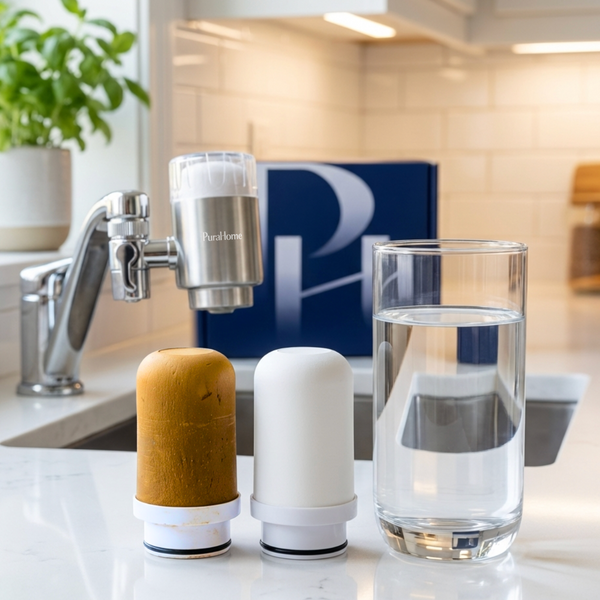
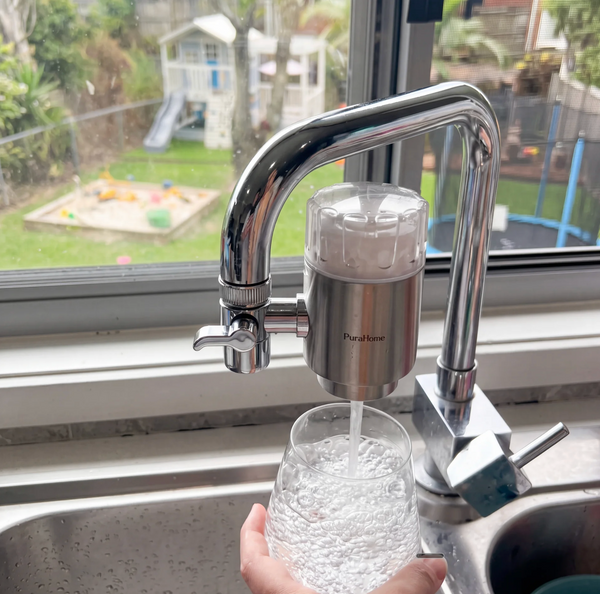
PuraHome Apex™ Filtration

While standard filters remove a handful of common impurities, ours is engineered to eliminate up to 26x more contaminants, including the ones others miss.

Protect Your Home

Made with High Quality Materials

Easy, No-Plumber Installation

Invisible Threats. Visible Protection

Made with High Quality Materials

Easy, No-Plumber Installation

Invisible Threats. Visible Protection

Made with High Quality Materials

Easy, No-Plumber Installation

Invisible Threats. Visible Protection

Made with High Quality Materials

Easy, No-Plumber Installation

Invisible Threats. Visible Protection

DRIVEN BY SCIENCE

Grounded In Real Research.


Our filtration method fuses science-backed materials and advanced technology to effectively reduce the most common—and concerning—tap water contaminants: pesticides, heavy metals, chlorine, microplastics, and more.

Built on cutting-edge research and crafted with precision, it delivers cleaner, safer, and better-tasting water—without compromise.
Up to 96%

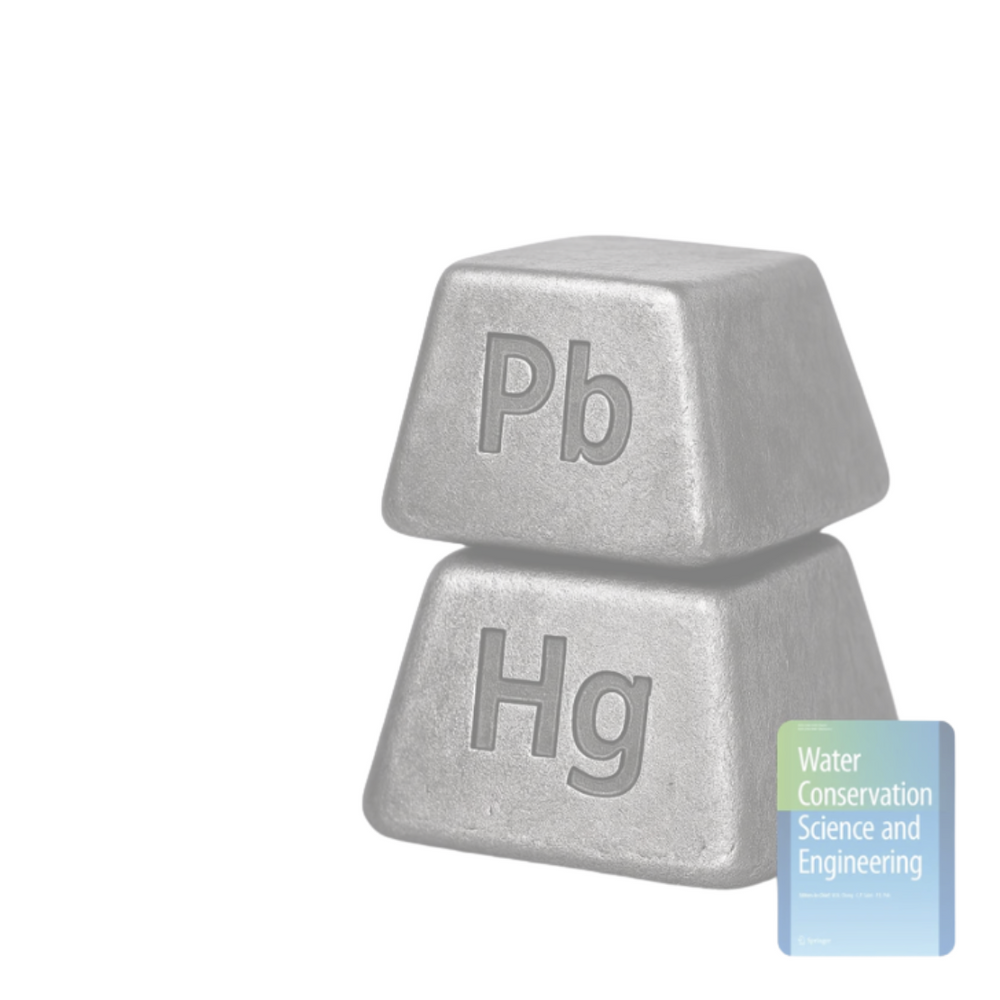
Removal of Heavy Metals

Activated carbon
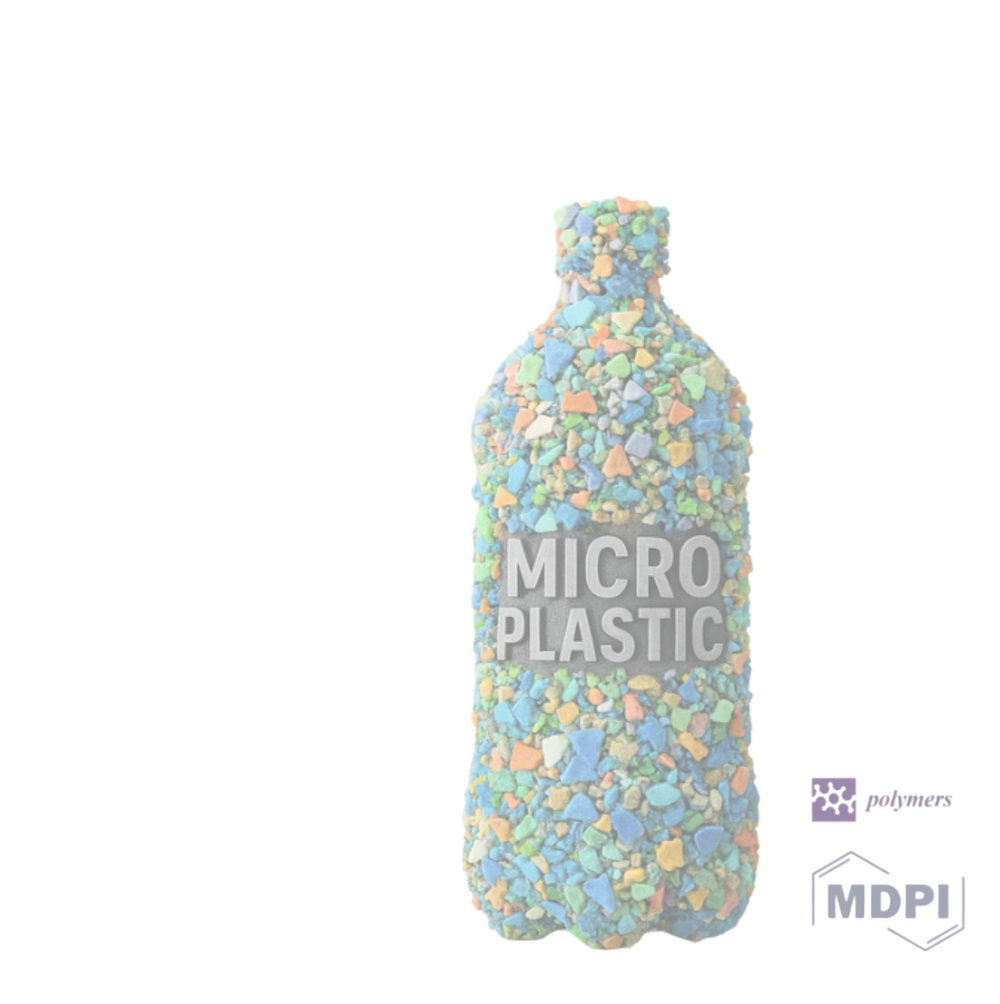
Up to 99.8%

Removal of Microplastics

Point-of-use filtration systems
Up to 99.9%

Removal of microbial contaminants

Submicron Filtration
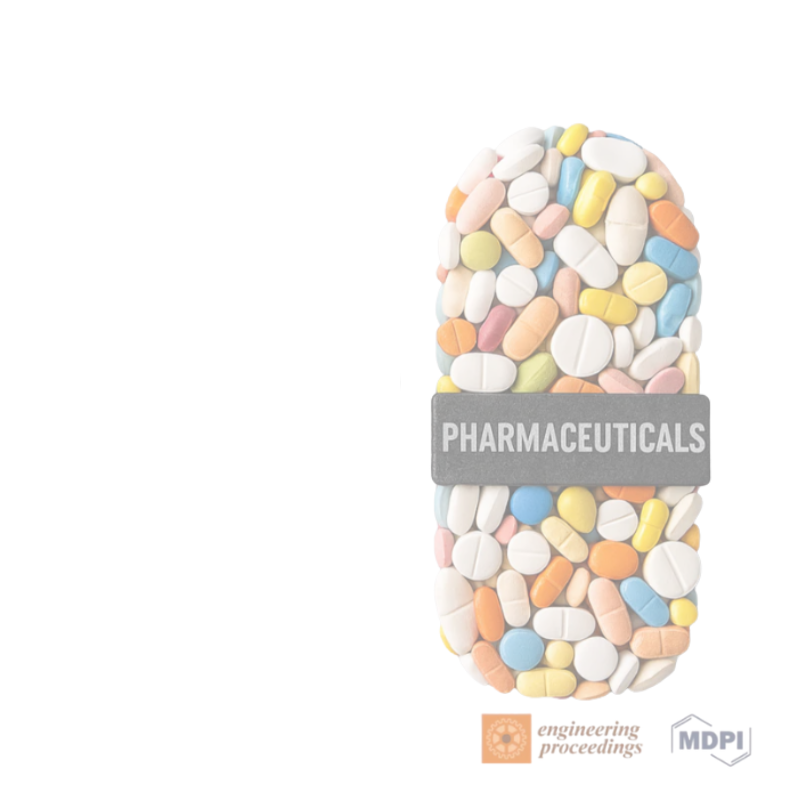
Cancer-Linked VOCs

Removal of pharmaceuticals

Granular Activated Carbon (GAC)
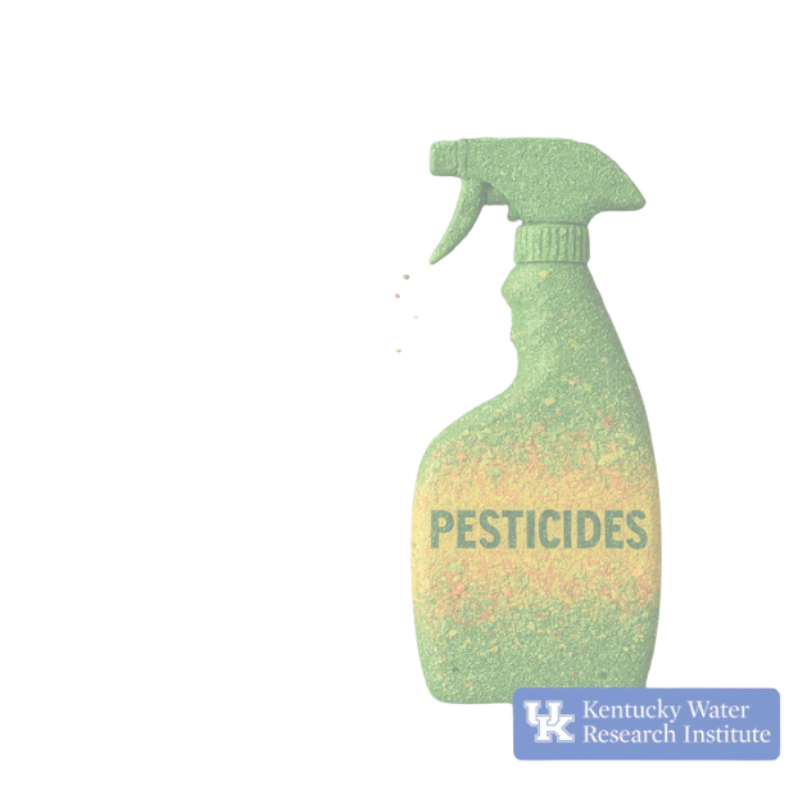
Up to 99.8%

Removal of Pesticides

Activated carbon
Harmful VOCs Removal

Removal of VOC's

Granular Activated Carbon (GAC)

Up to 96%

Activated carbon filtration has been scientifically shown to eliminate as much as 96% of heavy metals from drinking water — depending on factors like pH levels, contaminant concentration, and filter composition.

Source

Backed by research from Pet et al. (2024), Applied Water Science (Springer), which found activated carbon can remove between 75%–96% of heavy metals in water.

Read the full study

Up to 99.8%

Point-of-use (POU) filtration systems using microfiltration (MF) technology — like ours — have demonstrated up to 100% removal of common microplastics such as PET and PVC fragments from drinking water.

Source

According to research by Cherian et al. (2023) in Scientific Reports, MF-based filters achieved 78–86% removal for PVC and 94–100% for PET.

Read the full study

Up to 99.9%

Proven Protection Against Microorganisms
Activated carbon filters — especially when paired with submicron filtration — can remove up to 99.9% of microbial contaminants like Cryptosporidium oocysts, offering significant protection against waterborne pathogens.

Source

This level of reduction has been supported by data from the National Collaborating Centre for Environmental Health (2008), highlighting the effectiveness of activated carbon when combined with 0.1–0.2 µm filters or silver-coated technologies.

Read the full study

Cancer-Linked VOCs

Targets Cancer-Linked VOCs and Pharmaceuticals
Granular Activated Carbon (GAC) has been shown to effectively reduce certain volatile organic compounds (VOCs) — some of which are carcinogenic — as well as pharmaceutical residues commonly found in drinking water.

Source

As demonstrated by González et al. (2023) in the journal Proceedings, GAC filtration can adsorb a range of harmful VOCs and personal care product contaminants.

Read the full study

Up to 99.8%

Highly Effective Against Pesticides
Activated carbon has been shown to be one of the most powerful filtration methods for removing harmful pesticides from drinking water — achieving near-total removal in many cases:

  • Malathion: ~100%
  • Aldrin: ~100%
  • DDT: 95%
  • Dieldrin: 90%
  • 2,4-D: 90%

Source

These findings were published by the University of Kentucky’s Water Resources Research Institute (Whitehouse, 1967), confirming activated carbon’s unmatched performance in pesticide removal.

Read the full study

Harmful VOCs Removal

Proven VOC Removal with GAC

Granular Activated Carbon (GAC) is one of the most effective technologies for removing harmful VOCs — including compounds known to be carcinogenic.

According to a study by the U.S. Environmental Protection Agency (EPA), GAC has been evaluated for its ability to remove volatile organic contaminants from drinking water, demonstrating strong performance in reducing exposure to these dangerous substances.

Source

Source: U.S. EPA, 1989 – “Removal of Volatile Organic Contaminants from Drinking Water by Granular Activated Carbon” (EPA/600/2-89/050)

Read the full study

1 OF 6

The Science Behind PuraHome

PuraHome™ is powered by time-tested technologies like activated carbon and ultrafiltration—each chosen for their unmatched ability to remove a wide range of tap water contaminants.

The following experiments illustrate how these methods perform under controlled conditions.

1 MIN READ

Experiment 1

Microplastic Removal with 1-Micron Filtration

Experiment 1

1. Contaminated Water Preparation

Researchers collected clean water and introduced synthetic microplastics of varying sizes:

  • 1. 100 microns (size of a human hair)
  • 2. 10 microns (size of a blood cell)
  • 3. 1 micron (size of a bacterium)

2. Filtration Through Different Filters

The contaminated water was passed through:

  • 1. An activated carbon filter alone
  • 2. A 5-micron ceramic filter
  • 3. A 1-micron ceramic filter

3. Pre- and Post-Filtration Analysis

Scientists used an electron microscope to count the remaining particles in the filtered water.


Conclusion

A 1-micron ceramic filter can remove 99.9% of microplastics, including the smallest particles.

Activated carbon alone is insufficient to block fine solid particles.

These findings highlight the importance of high-precision filtration in ensuring cleaner, safer water.

1 MIN READ

Experiment 2

The Effectiveness of Activated Carbon Against Chemical Pollutants

Experiment 2

1. Preparation of Contaminated Water

Researchers collected clean water and introduced the following contaminants:

  • 1. Chlorine (1.5 mg/L, similar to tap water levels)
  • 2. Atrazine (a common pesticide, 50 µg/L)
  • 3. Benzene (an organic pollutant, 10 µg/L)

2. Filtration Through Different Filters

The contaminated water was passed through:

  • 1. A ceramic filter alone
  • 2. An activated carbon filter
  • 3. A combined ceramic + activated carbon filter

3. Pre- and Post-Filtration Analysis

Scientists used a spectrometer to measure the concentrations of pollutants after filtration.

Conclusion

Activated carbon removes more than 95% of chlorine and chemical pollutants.

Ceramic alone does not effectively capture dissolved substances.

The combination of activated carbon and ceramic provides the highest level of purification.

Conclusion

The combination of activated carbon and ceramic provides the highest level of purification.

Independanly Lab Tested

Australian tap water contains over 100 hidden contaminants — and most filters barely scratch the surface.

Before

After

Drag